
Komodo Island, Padar Island, and Pink Beach Travel Guide
Why these three places define a Komodo trip
Komodo Island, Padar Island, and Pink Beach are three of the most searched destinations in Komodo National Park. For many international travelers, they form the classic image of Labuan Bajo: prehistoric wildlife, dry volcanic hills, curved bays, turquoise water, and a rare pink-sand beach. Yet these places are more than photo stops. They are part of a protected conservation landscape with ecological, scientific, and cultural value.
Komodo National Park was inscribed as a UNESCO World Heritage Site in 1991. UNESCO recognizes the park for its exceptional natural beauty and its importance as habitat for the Komodo dragon, the largest living lizard. The park also protects coral-rich waters, marine mammals, sea turtles, birds, savannah vegetation, and a wider Wallacea ecosystem shaped by the meeting of Asian and Australian biogeographic zones.
This matters because the way you visit Komodo affects the place itself. A rushed, careless trip can damage trails, disturb wildlife, or contribute to marine pollution. A well-planned trip can support legal tourism, local employment, guide services, conservation fees, and better visitor management. For that reason, this guide focuses not only on where to go, but how to go responsibly.
Most trips begin in Labuan Bajo, a harbor town on the western tip of Flores. From there, travelers can join a shared open trip, book a private speedboat, or arrange a multi-day komodo boat charter on a liveaboard. Your best choice depends on time, budget, comfort level, and how deeply you want to experience the park.
Komodo Island: seeing dragons with respect
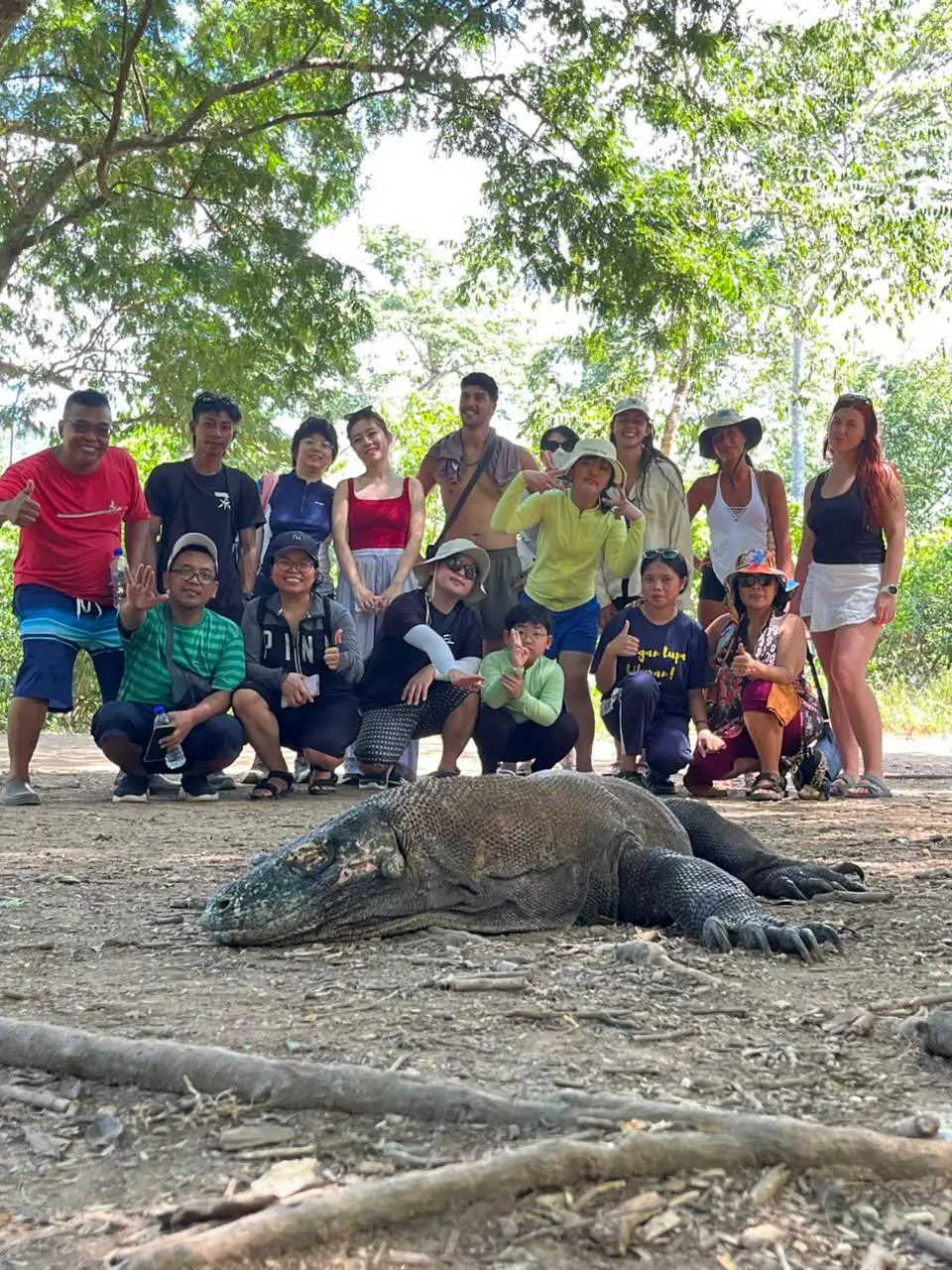
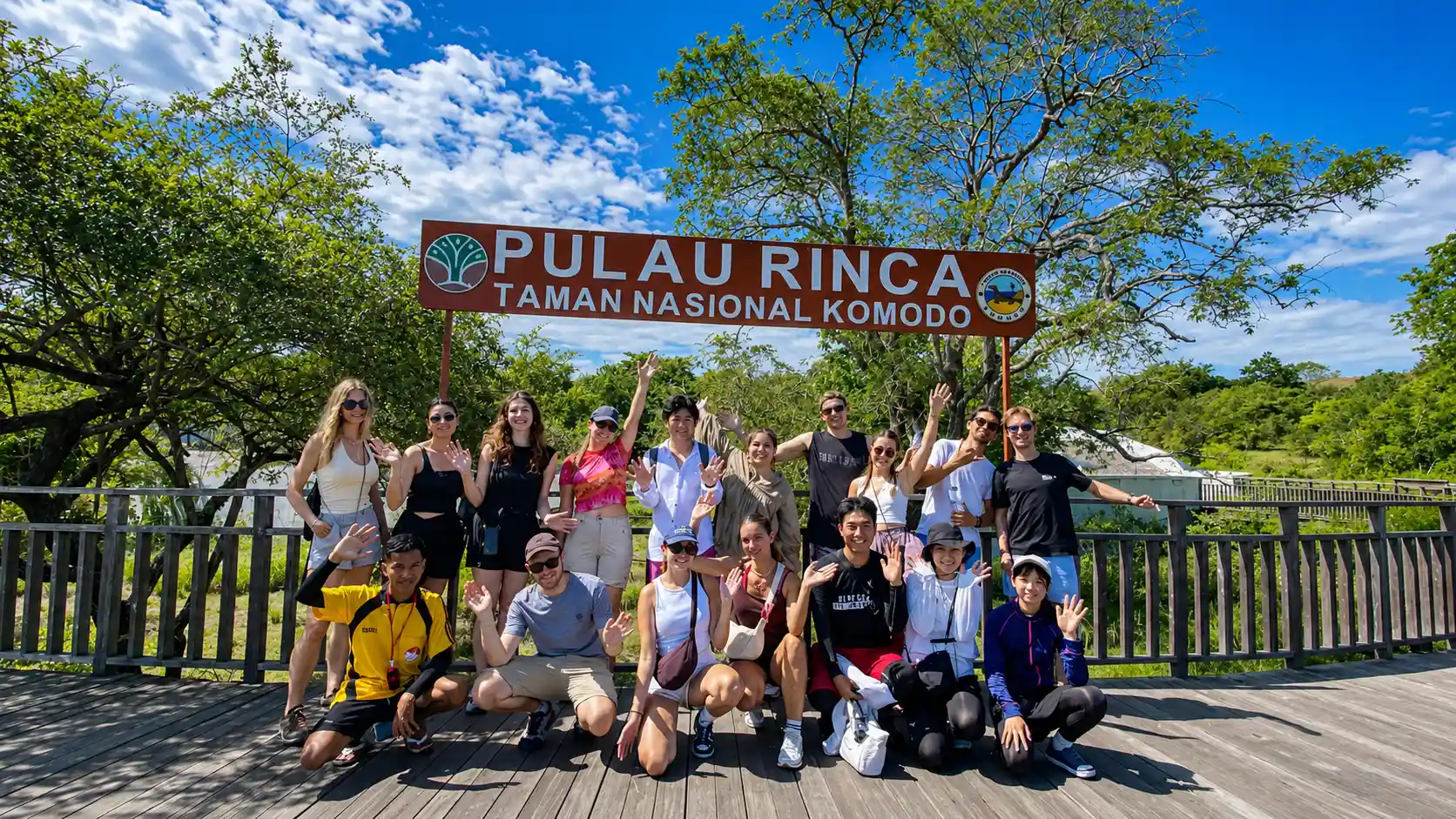
Komodo Island is famous as one of the key habitats of the Komodo dragon. These powerful reptiles are wild predators, not tame animals for tourist photos. Visitors enter designated trekking areas with a ranger or naturalist guide and must follow instructions at all times. Independent trekking is not appropriate in dragon habitat.
The official Komodo National Park website notes that visitors may observe Komodo dragons from certain ranger resort areas opened for tourism, including Loh Liang on Komodo Island, Loh Buaya on Rinca Island, and Padar Selatan on Padar Island. These areas are managed so that visitors can experience the park while reducing risk and limiting disturbance.
When you join a trek, keep a safe distance from wildlife. Do not run, shout, feed animals, touch animals, or pressure the guide to bring you closer. Do not carry open food. Do not wander off for photos. If the ranger tells the group to move, stop, or stay behind, follow immediately. These rules are not designed to limit enjoyment; they are what make safe wildlife viewing possible.
Komodo Island is also more than its dragons. It is part of a larger island system where local communities, conservation staff, boat crews, guides, and visitors all interact. Choosing a legal operator and paying official fees helps maintain the management structure that protects the area. Trying to avoid fees or book unverified operators may seem cheaper, but it weakens the system that keeps the park accessible.
Padar Island: the viewpoint that rewards preparation
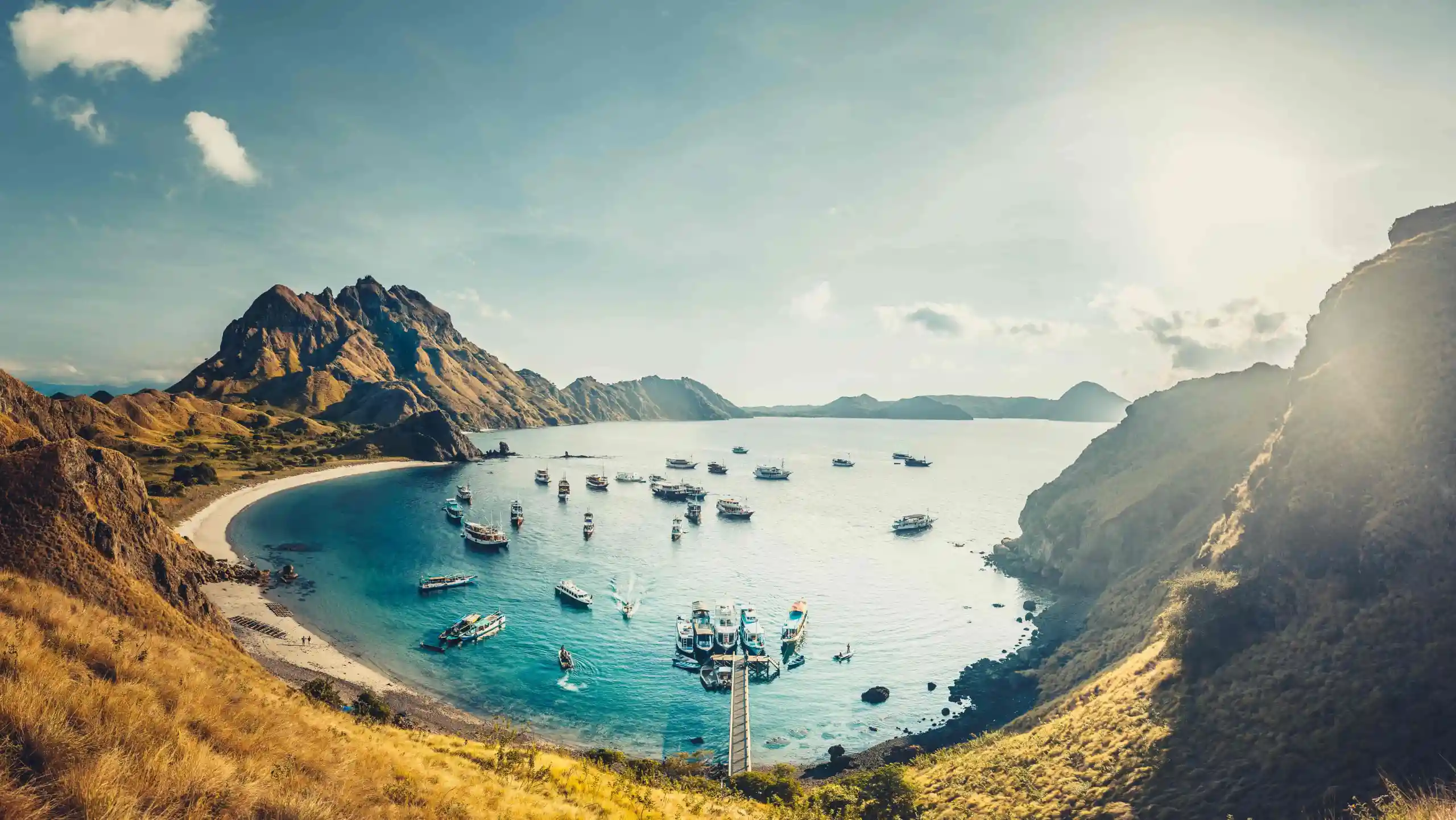
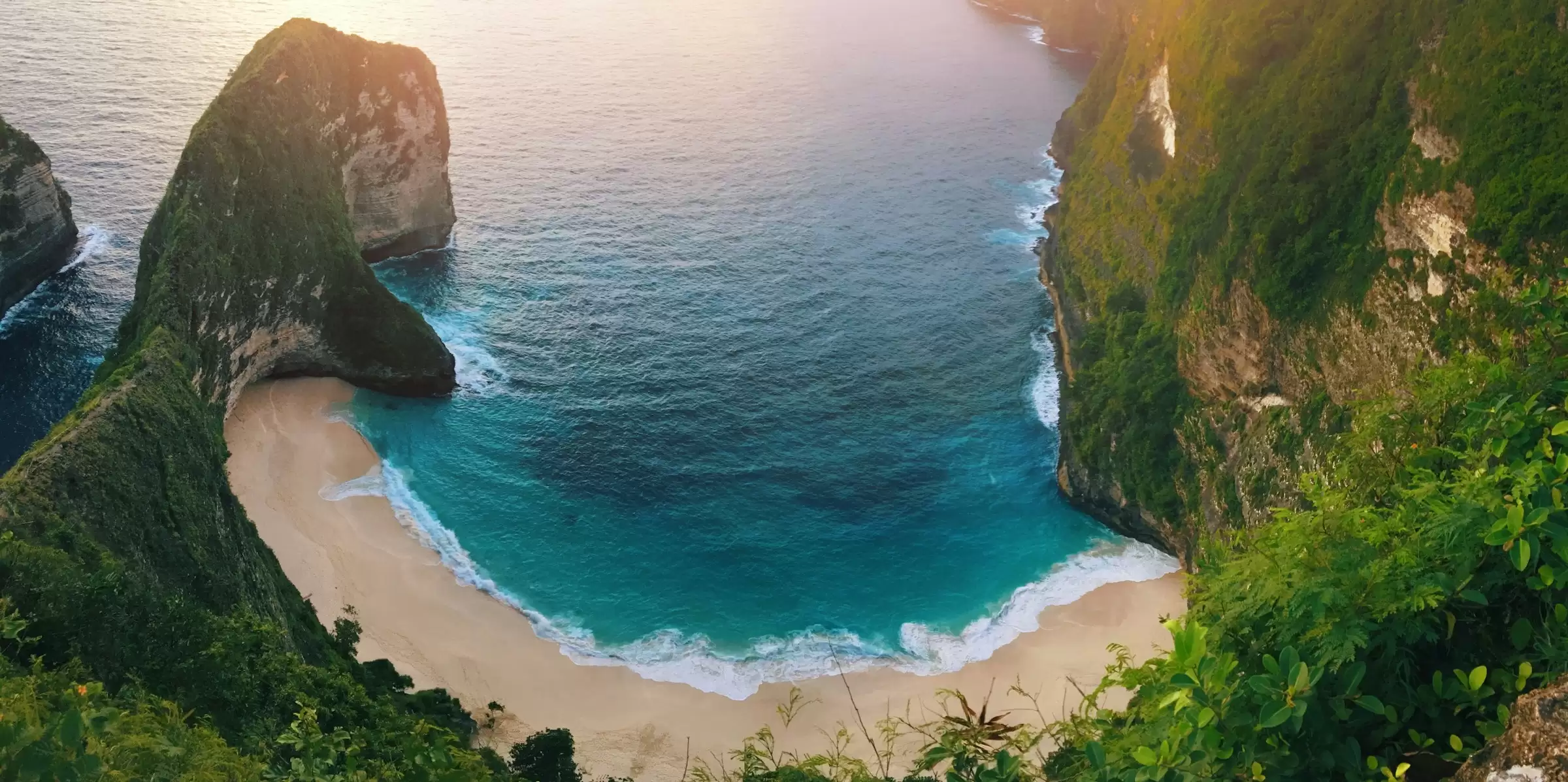
Padar Island is often the most photographed landscape in the park. From its viewpoint, travelers can see a dramatic pattern of hills and bays, with beaches in different shades along the coastline. The scenery is especially striking because Komodo's dry savannah landscape contrasts with the blue sea.
The hike is relatively short but exposed. There is limited shade, and the heat can be intense. Morning visits are popular because the air is cooler and the light is softer. Late afternoon can also be beautiful, but access must follow official visiting hours and park instructions. The official park website lists visitor capacity and timed entry details for Padar Selatan, which shows that visitor flow is actively managed.
Prepare properly. Wear shoes with grip, bring water, use sun protection, and pace yourself. If you are traveling with children, older family members, or anyone with knee or heart concerns, do not rush to the highest point. There are scenic views before the top, and no photo is worth a medical problem.
Stay on the trail. Leaving the path may damage vegetation, widen erosion scars, and create safety risks. Padar looks rugged and open, but its landscape is vulnerable. Responsible travelers enjoy the view without creating new tracks for others to follow.
Pink Beach: beautiful, fragile, and often misunderstood
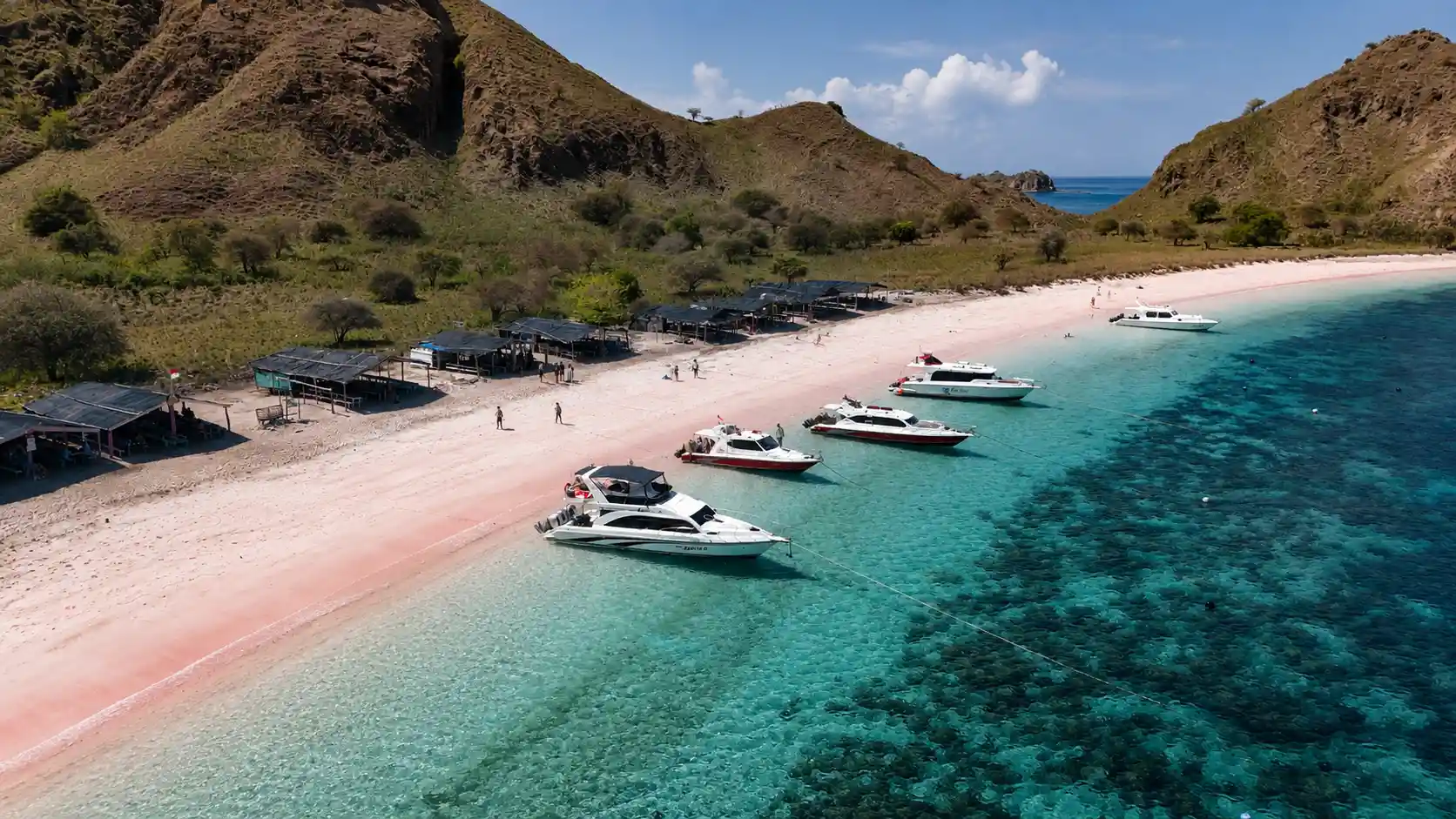
Pink Beach is one of the most distinctive coastal stops in Komodo National Park. Its pink color comes from the mixture of white sand with tiny red fragments from marine organisms and coral material. The color may look soft rose, peach, or pale pink depending on sunlight, tide, moisture, and camera settings. Travelers should arrive with realistic expectations: Pink Beach is naturally beautiful, but it does not look identical every hour of every day.
The beach is popular for swimming and snorkeling. If conditions are calm, the water can be clear and inviting. Still, Komodo waters can have currents, so listen to your boat crew and guide. Use a life jacket if you are not a confident swimmer. Stay close to the group. Avoid touching coral, stepping on reef, or feeding fish. Feeding marine life may seem harmless, but it changes animal behavior and damages the natural balance.
Most importantly, do not take sand. The official visitor protocol prohibits removing sand, coral, or physical objects from the park without written permission. A small bottle of pink sand may seem like a harmless souvenir, but the beach exists because countless tiny natural fragments remain in place. Souvenirs should come from local shops, not from protected ecosystems.
Choosing between a day trip and a liveaboard
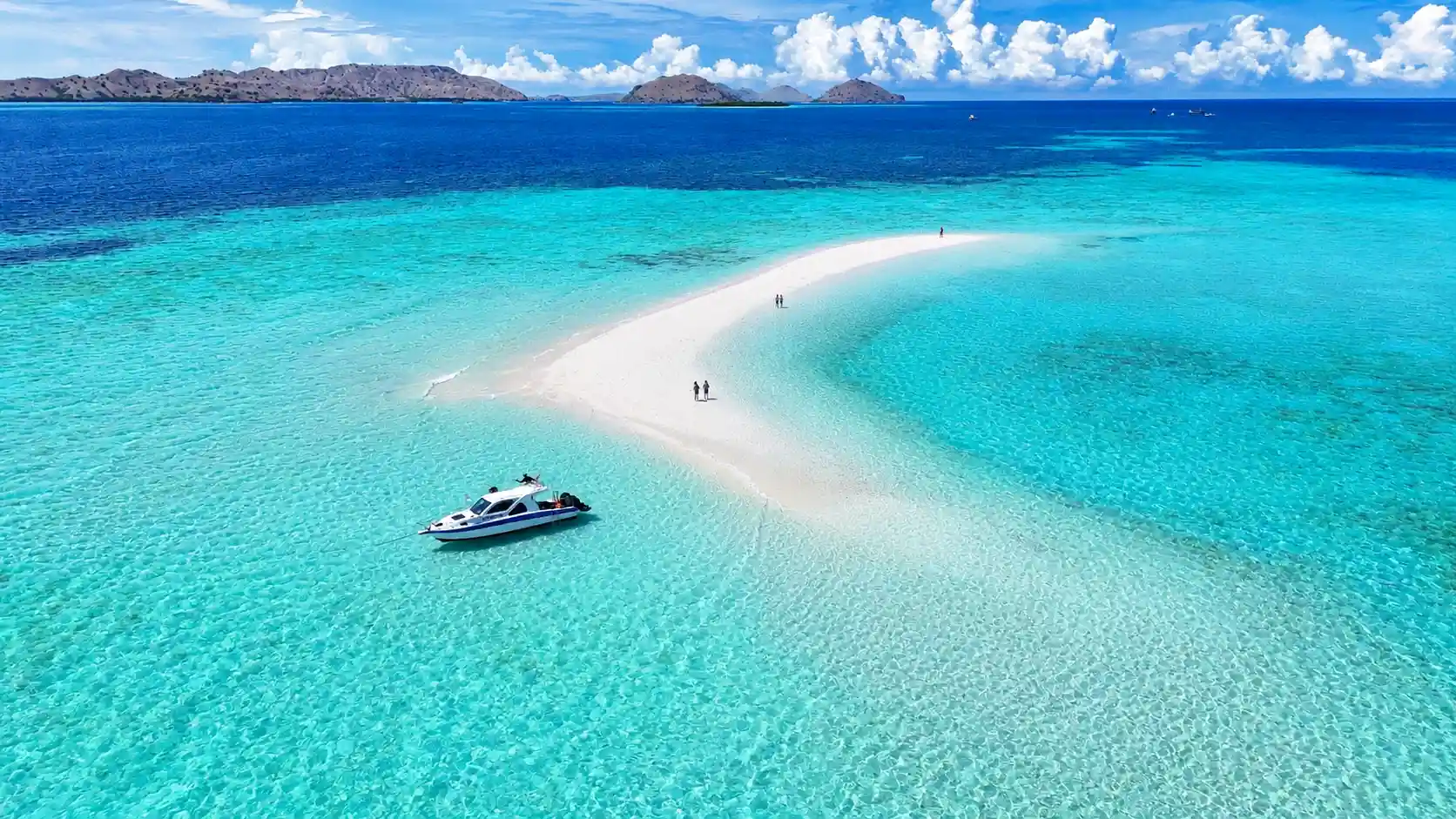
If you only have one day, a full day tour Komodo Island itinerary by speedboat is the most efficient option. It commonly includes Padar Island, Pink Beach, Komodo Island or Rinca, and one or two marine stops. This is the right choice if you want a high-impact introduction and prefer sleeping in a hotel in Labuan Bajo.
If you want a slower and more immersive journey, choose a liveaboard komodo boat charter. Spending one or two nights on a boat allows you to experience sunset at Kalong Island, reach certain sites earlier, enjoy quieter snorkeling windows, and avoid returning to Labuan Bajo after every day. It also gives more flexibility if weather requires a route change.
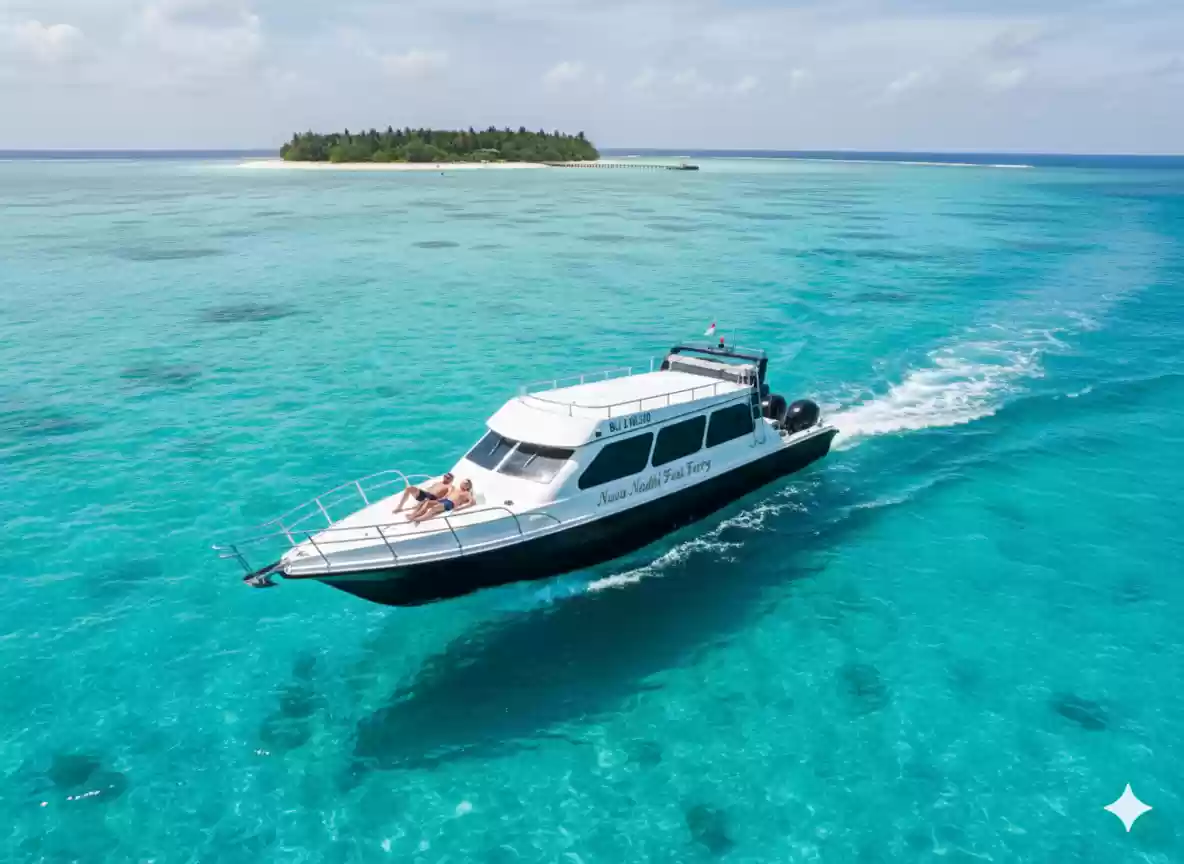
Private speedboat charters sit between these two options. They are still day trips, but they give more control than open trips. A private charter is useful for families, photographers, honeymooners, or travelers who want fewer compromises. Ask about safety equipment, crew experience, toilet facilities, shade, snorkeling gear, meals, drinking water, and what is included in the price.
Costs and tickets: what travelers should know
Komodo tour pricing can be confusing because there may be separate costs for the boat, park entrance, ranger services, activity fees, port fees, meals, transfers, and equipment. Do not assume that one quoted price includes everything. Ask the operator for a written breakdown before paying a deposit.
The official Komodo National Park website states that PNBP tariffs are based on Indonesian Government Regulation No. 36 of 2024. Because ticket policies and operational details may change, international travelers should confirm the latest information close to their travel date. This is especially important if you are comparing offers from several operators, because inclusions can vary widely.
Responsible travel checklist
A responsible Komodo visit is simple in principle. Follow guides and park staff. Buy official tickets. Use a reputable operator. Keep distance from wildlife. Do not feed animals. Do not leave trash. Do not take sand, coral, shells, plants, or animal parts. Do not fly drones without permission. Do not play loud music near sensitive wildlife areas. Do not demand unsafe snorkeling when currents are strong.
These actions protect the park and improve your own experience. They also show respect for the people who work in conservation and tourism around Labuan Bajo.
Conclusion
Komodo Island, Padar Island, and Pink Beach each offer a different reason to visit Komodo National Park. Komodo Island brings rare wildlife, Padar Island brings panoramic landscapes, and Pink Beach brings a fragile coastal wonder. Together, they create one of Indonesia's most memorable travel experiences.
The best way to visit depends on your time and priorities. A full day tour Komodo Island route is efficient and exciting. A private komodo boat charter offers flexibility. A liveaboard creates a deeper journey. Whatever you choose, remember that Komodo is a protected World Heritage landscape. Travel well, follow the rules, and leave the park as beautiful as you found it.
FAQ
Can I visit Komodo Island, Padar Island, and Pink Beach in one day?
Yes. Many speedboat tours from Labuan Bajo include all three, but the final route depends on weather, currents, visitor limits, and park instructions.
Is Padar Island difficult to hike?
The hike is moderate for many travelers, but it is exposed and can be hot. Wear proper shoes, bring water, and avoid rushing.
Why is Pink Beach pink?
The sand appears pink because white sand mixes with tiny red natural fragments from marine organisms and coral material.
Is a private boat worth it?
For families, photographers, couples, and travelers who want flexibility, a private boat is often worth it. Budget travelers may prefer a shared open trip.
Latest News & Blogs
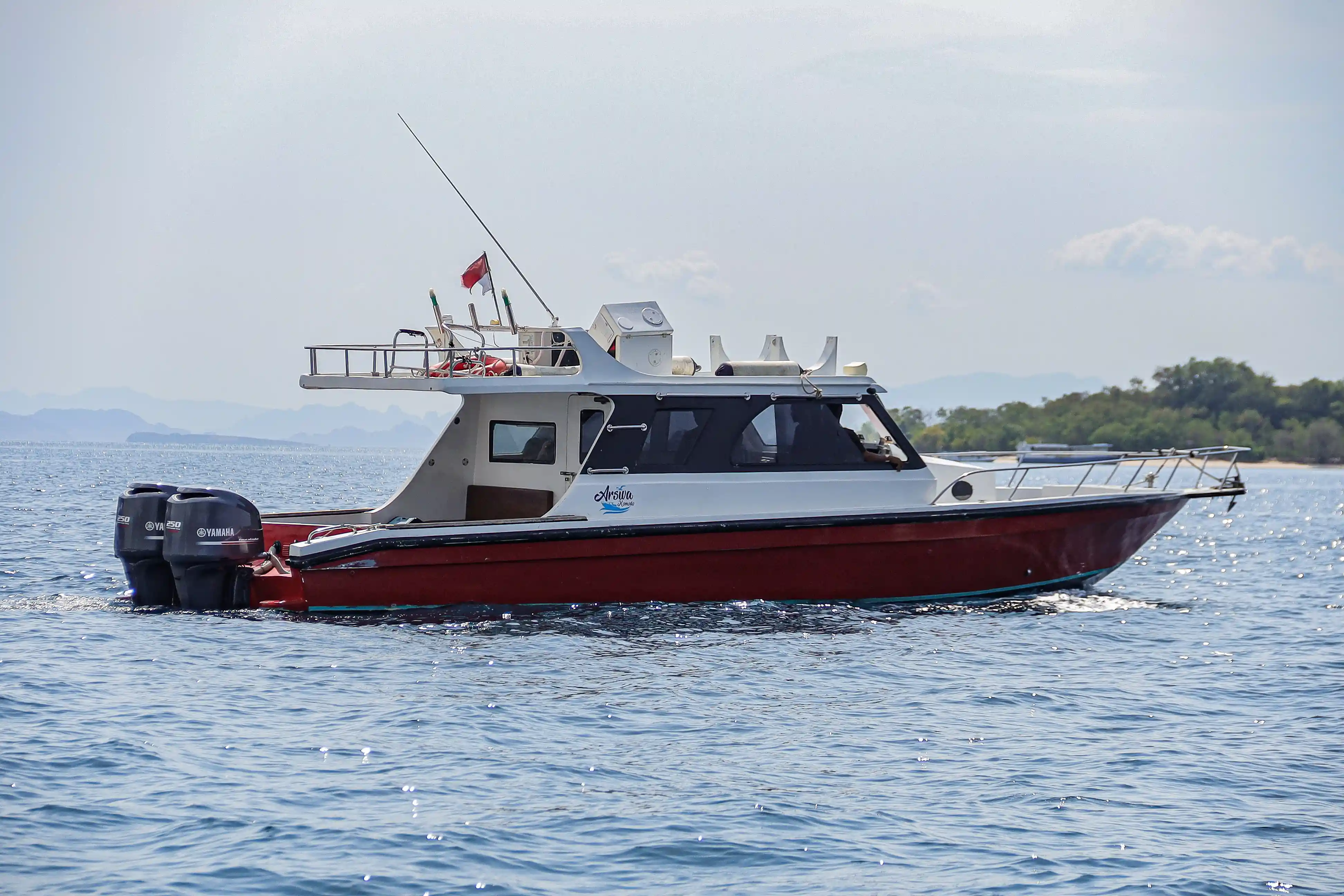
Ready for a Private Komodo Speedboat Trip?
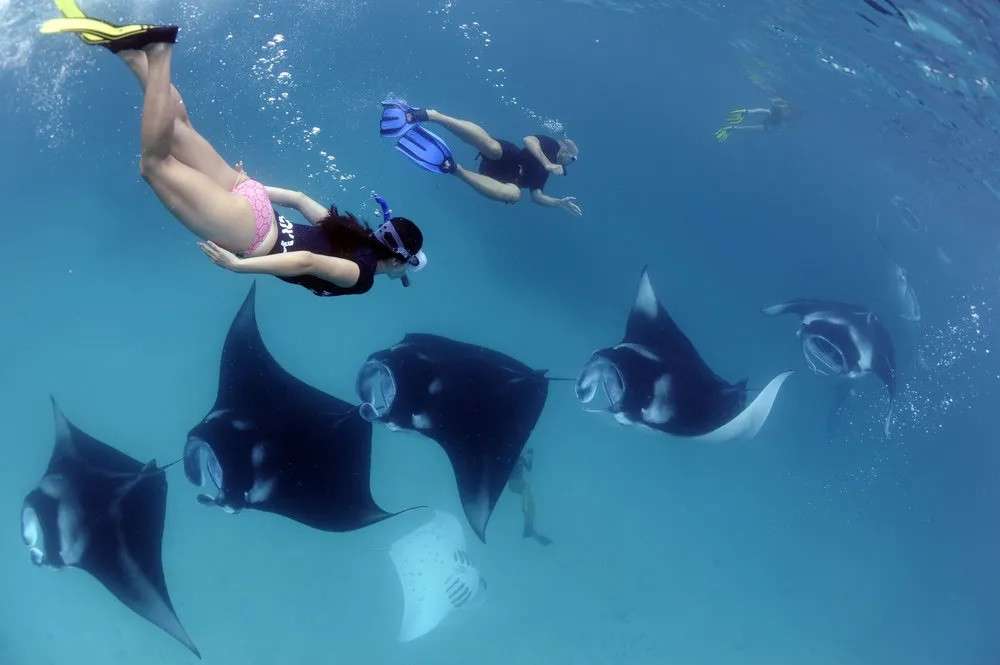
Plan your private speedboat charter from Labuan Bajo and explore Padar Island, Komodo Island, Pink Beach, Manta Point, and more with your own crew.

